Looking For Eco-Friendly Toilet Paper? Here Are 5 Label Secrets You Should Know
As we become more aware of the chemicals in our food, the microplastics in our water, and the toxins in our skincare, a new focus has emerged on the items we use most intimately. For many, the bathroom is the final frontier of a toxic-free lifestyle. You’ve likely already swapped your plastic toothbrush for bamboo and your bottled soap for a bar, but have you looked closely at your toilet paper lately?
If you are shopping for eco-friendly toilet paper, you are making a great choice for the planet. However, the "green" aisle is often a minefield of clever marketing and half-truths. A label that says "natural" or "recycled" doesn't always mean the product is safe for your body or as sustainable as it claims to be. At Sustainable Consumables, we believe that what touches you matters.
To help you navigate your next purchase, here are five label secrets you should know before you stock up.
1. The BPA reality in recycled paper
For years, recycled toilet paper was considered the gold standard of sustainability. It saves trees and reduces waste: two things we definitely support. However, as our understanding of chemical contamination has grown, a hidden issue has surfaced: BPA (Bisphenol A).
BPA is a known endocrine disruptor, meaning it can interfere with the hormones in your body. When paper is recycled, it often includes various types of paper waste that have been treated with chemicals. During the pulping process, these chemicals can become embedded in the fibers of the recycled toilet paper. Because toilet paper is used on the most absorbent parts of your body, even small amounts of chemical residue are worth noting.
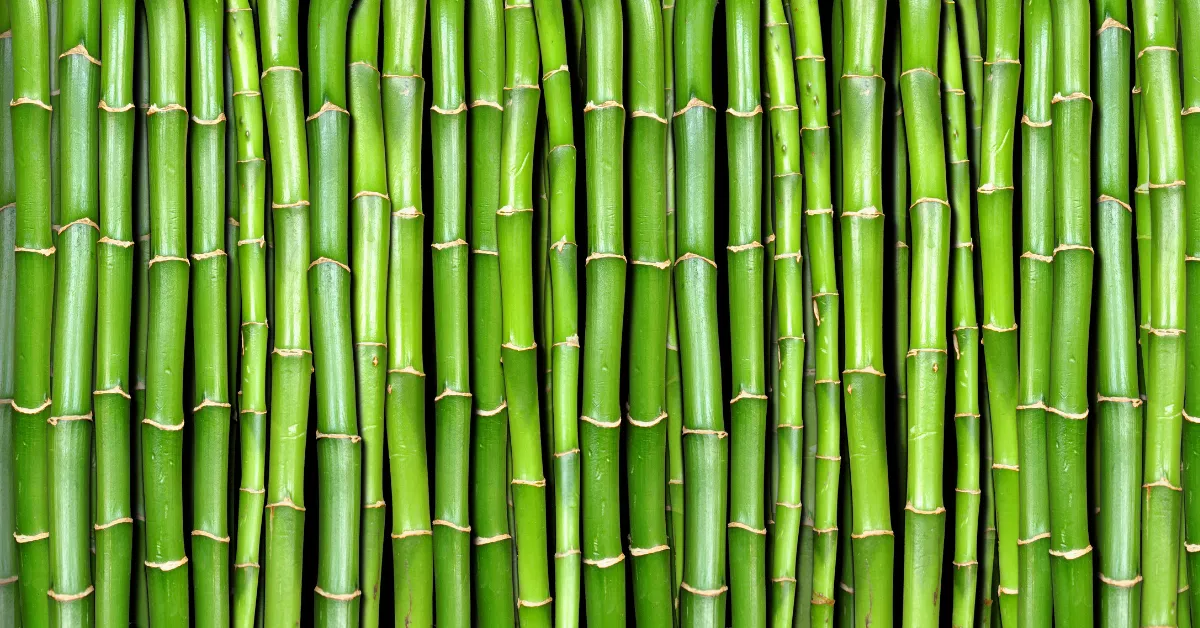
If you are looking for a truly clean experience, seeking out products labeled explicitly as BPA-free is essential. While recycled paper has its place in the circular economy, bamboo toilet paper offers a fresh start. Because bamboo is a rapidly renewable grass that is processed into virgin pulp specifically for the product, it bypasses the contamination risks found in the recycling stream.
2. Decoding the "chlorine-free" maze
You have likely seen labels like "Chlorine-Free," "TCF," or "ECF." If you aren't a chemist, these acronyms probably look like alphabet soup. However, understanding how your toilet paper is whitened is one of the most important steps in choosing a sustainable product.
Historically, the paper industry used elemental chlorine gas to bleach pulp. This process was a disaster for the environment, releasing high levels of toxic dioxins into local waterways. Today, the industry has shifted toward much safer methods.
You might hear that Totally Chlorine Free (TCF) is the only way to go, but the reality of modern manufacturing is more nuanced. At Sustainable Consumables, we utilize Elemental Chlorine Free (ECF) bleaching. This process uses chlorine dioxide instead of elemental chlorine gas.
Why does this matter? ECF is an industry-standard, sustainable bleaching method that significantly reduces toxic dioxins to levels that are often undetectable. It allows for the production of the soft, pure white color rolls that customers prefer while maintaining a high level of environmental safety. When you see ECF on a label, you are looking at a product that has moved away from the harmful practices of the past in favor of a balanced, scientifically backed approach to cleanliness and safety.
3. The PFAS connection and wood-pulp processing
We are hearing more every day about PFAS (per- and polyfluoroalkyl substances), often called "forever chemicals." These compounds are used in everything from non-stick pans to firefighting foam because they resist heat, water, and grease. Unfortunately, they also have a habit of showing up in the most unexpected places: including wood-pulp paper products.
The traditional wood-pulp industry is a heavy-duty chemical operation. To turn a hard tree into soft paper, the wood must undergo intense chemical processing. During various stages of manufacturing, moisture-resistant agents or processing aids containing PFAS can be introduced to the machinery or the paper itself.
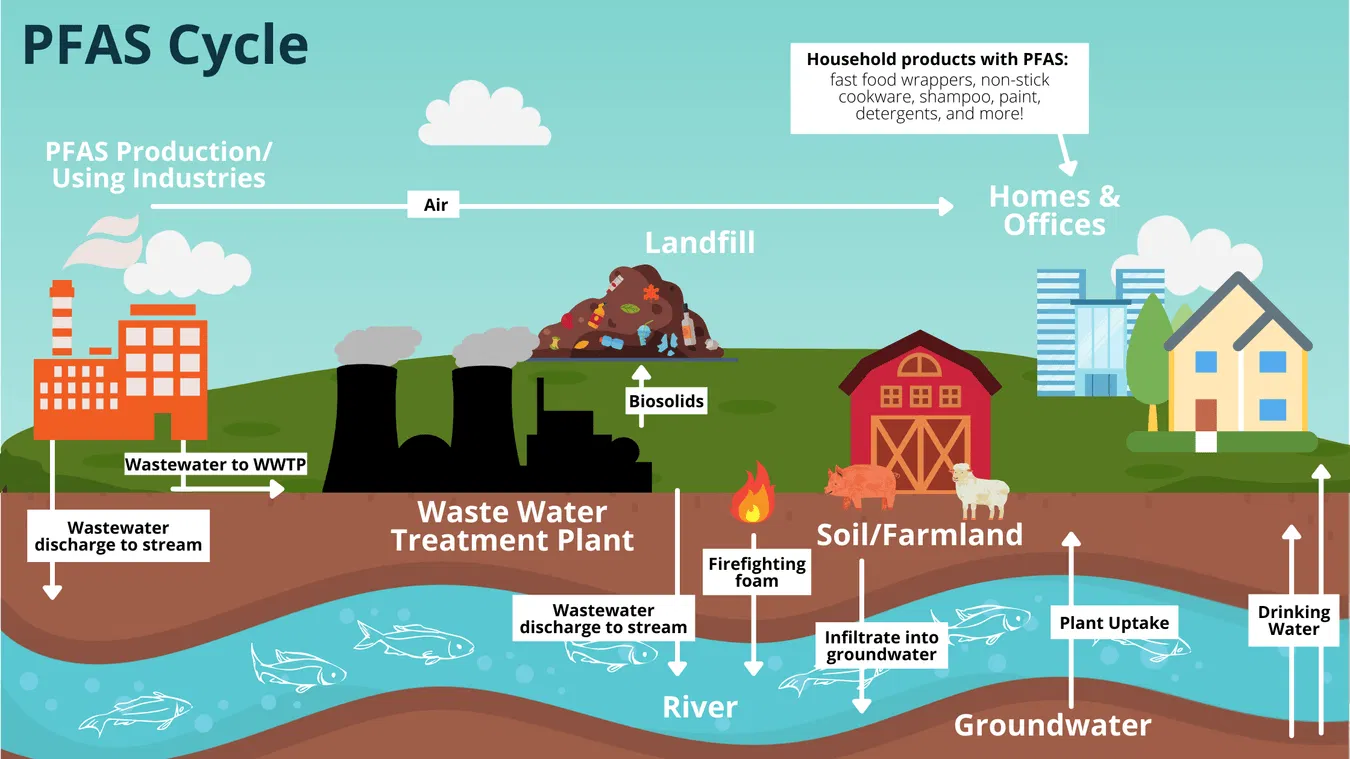
Bamboo naturally offers a cleaner path. Because bamboo fibers are naturally strong and absorbent, they require less chemical intervention to achieve the desired texture. For consumers who have already worked hard to eliminate plastics and "forever chemicals" from their kitchens and wardrobes, switching to bamboo toilet paper is the logical next step.
By choosing a product that avoids the heavy chemical burden of traditional timber processing, you are protecting your home from unnecessary exposure. You can learn more about why these choices matter in our deep dive on why you need BPA-free and chemical-free toilet paper.
4. Why "fresh scent" can be a red flag
We all want a clean-smelling bathroom, but your toilet paper shouldn't be the source of that fragrance. If a package boasts a "Fresh Scent" or "Lavender Mist," it’s time to put it back on the shelf.
The word "fragrance" on a label is a legal loophole that can hide hundreds of different chemicals, including phthalates. These chemicals are often used to make scents last longer, but they are also known irritants and endocrine disruptors. For those with sensitive skin, these hidden additives can cause chronic discomfort and allergic reactions.
Dyes are another unnecessary addition. While some "eco" brands use brown or unbleached paper to look more "earthy," many conventional brands use blue or pink dyes just for aesthetics. These dyes offer zero functional benefit and only serve to introduce more chemistry to your body.
The gold standard for health-conscious consumers is toilet paper that is:
- Unscented
- Dye-free
- BPA-free
- Formaldehyde-free
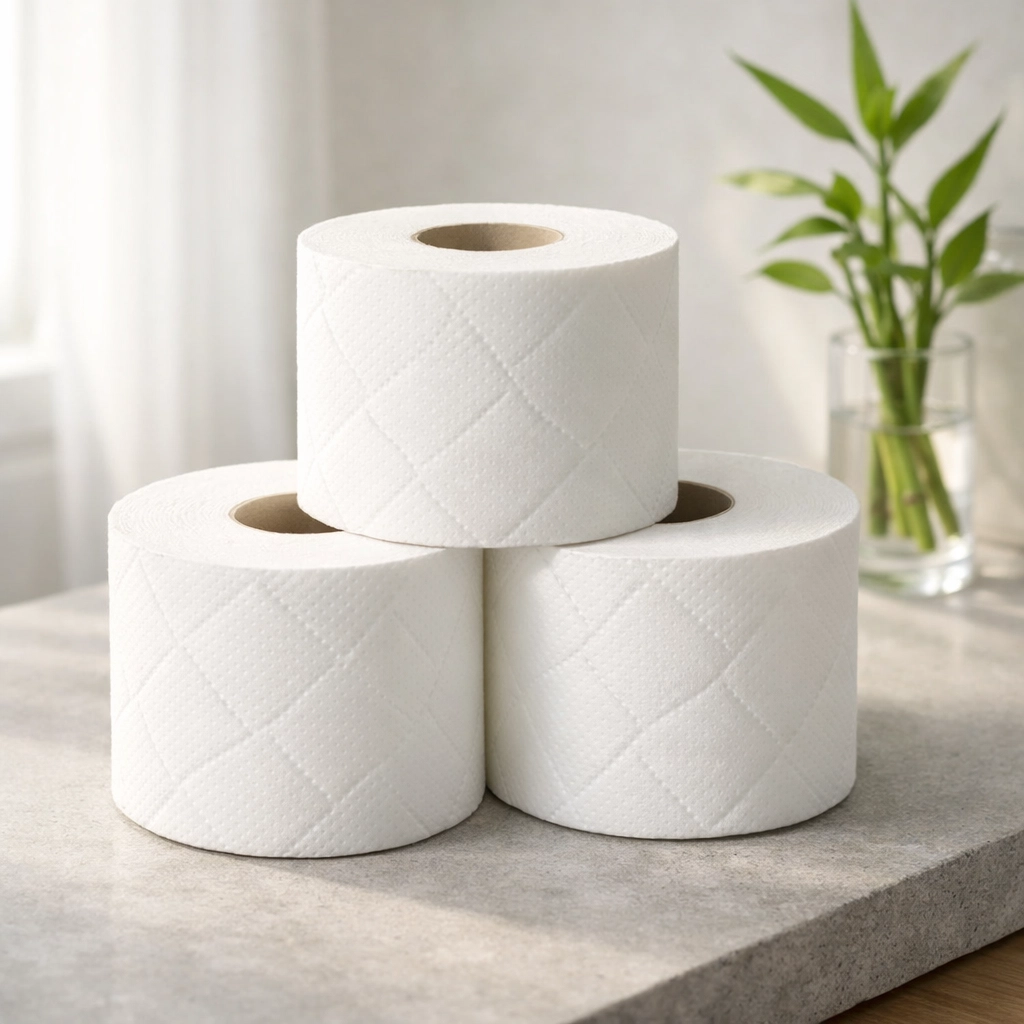 Visual hint: A stack of pure white, clean-looking toilet paper rolls without any patterns or dyes.
5. Certification reality check: FSC and beyond
Finally, don't let a brand's self-made "eco-leaf" logo fool you. Anyone can put a green icon on a box. To know if a product is actually green, you need to look for third-party certifications.
The most recognized name in the industry is the FSC (Forest Stewardship Council). If you see an FSC logo, it means the fibers used in that paper were sourced from responsibly managed forests (or, in the case of bamboo, responsibly managed plantations).
Specifically, look for FSC 100% or FSC Mix. These certifications ensure that the harvest of the raw material didn't contribute to deforestation or habitat destruction. Furthermore, for those looking at the end of the product's life cycle, look for compostability standards. A high-quality bamboo toilet paper is often biodegradable and septic-safe because it breaks down 30x faster than some ultra-plush traditional brands.
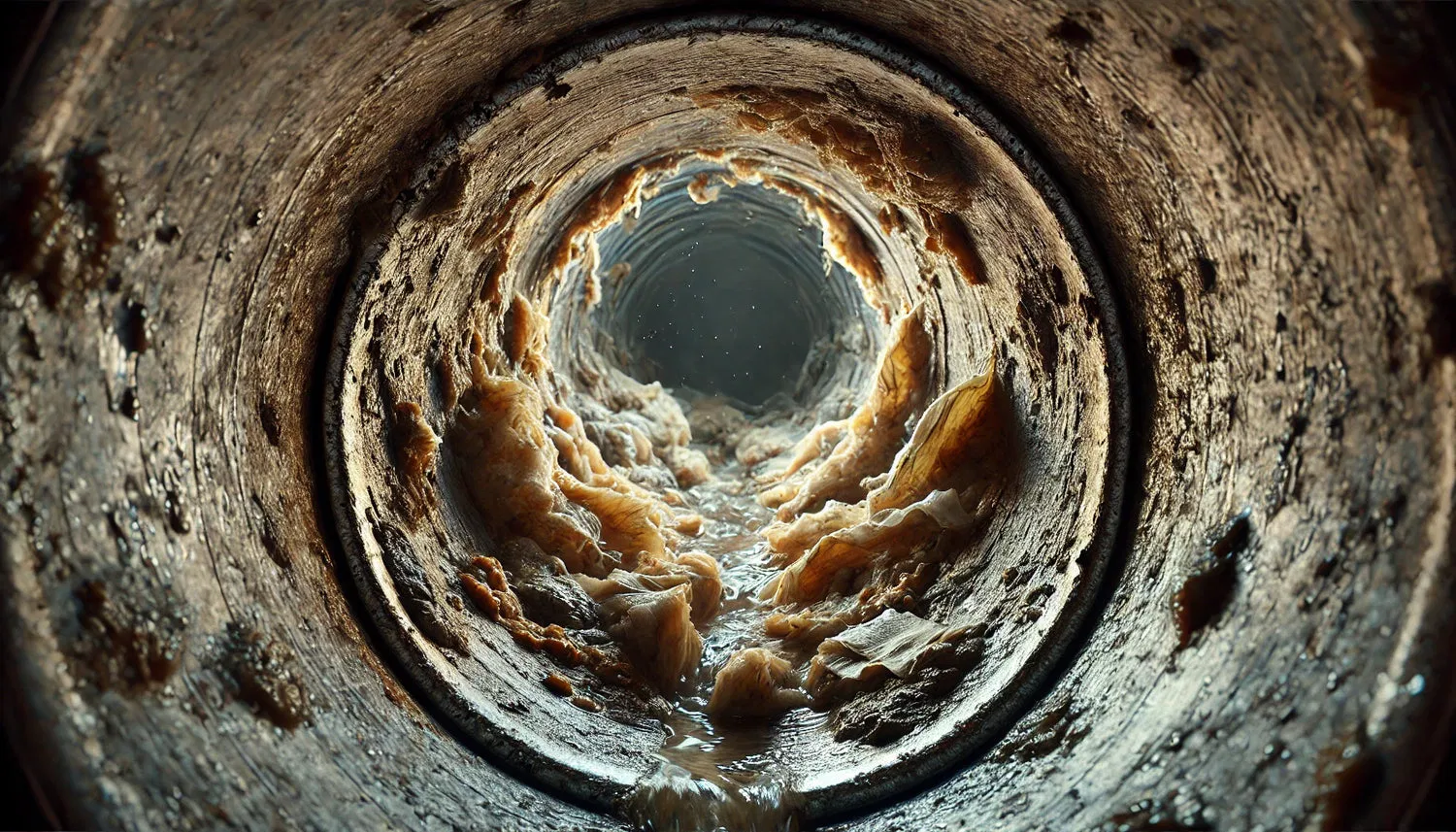
Using rapidly dissolving paper isn't just a win for the environment; it’s a win for your plumbing. Traditional wood-pulp papers, especially the heavy "quilted" varieties, can lead to significant buildup in pipes.
Make the switch to a cleaner clean
Choosing the right toilet paper might seem like a small detail, but when you consider how much of it we use over a lifetime, those small details add up. By looking past the marketing fluff and understanding these five label secrets, you can make a choice that aligns with your health goals and your environmental values.
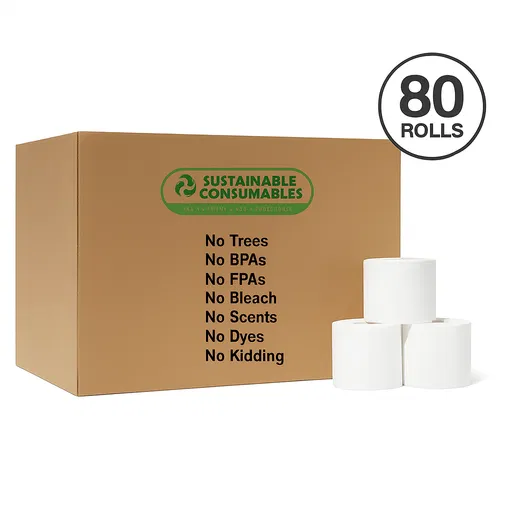
At Sustainable Consumables, we’ve done the research for you. Our bulk bamboo toilet paper is designed to meet the highest standards of safety and sustainability. Whether you are managing a large office, a university, or just a busy household, switching to bamboo is an easy way to lower your carbon footprint without sacrificing the comfort of a pure white, soft roll.
Ready to upgrade your restroom?
- Tree-Free: Made from 100% sustainable bamboo.
- Safe: BPA-free and PFAS-free.
- Advanced: ECF bleached for a bright, clean look without the toxic dioxins of the past.
- Simple: No scents, no dyes, no nonsense.
Explore our full range of sustainable goods and discover why thousands of businesses and homes are making the switch. Because at the end of the day, what touches you matters.