

The MAHA Guide to a Healthier Bathroom: Eliminating Toxic Paper for Good
As the wellness movement continues to grow, we are becoming increasingly vigilant about what we put into our bodies. You’ve likely already ditched the Teflon pans for cast iron or stainless steel. You’ve probably traded single-use plastic water bottles for a $60 Hydro Flask. You read the labels on your protein powder and your skincare. But there is one area of the home that remains a massive blind spot for even the most health-conscious consumers: the bathroom.
Specifically, your toilet paper.
At Sustainable Consumables, our philosophy is simple: What touches you matters. If you are spending hundreds of dollars on organic groceries and clean beauty products, but using conventional, chemically-treated toilet paper on the most sensitive parts of your body, there is a significant gap in your wellness routine. This is the MAHA (Make Always Health-conscious Alternatives) guide to cleaning up your bathroom and eliminating toxic paper for good.
Why Conventional Paper is a Health Hazard
It seems harmless. It’s white, it’s fluffy, and it’s a household staple. However, the industrial process required to turn a tree into a soft, white roll of toilet paper is anything but natural. Most standard toilet papers are treated with a cocktail of chemicals that can linger on the fibers and, ultimately, on your skin.
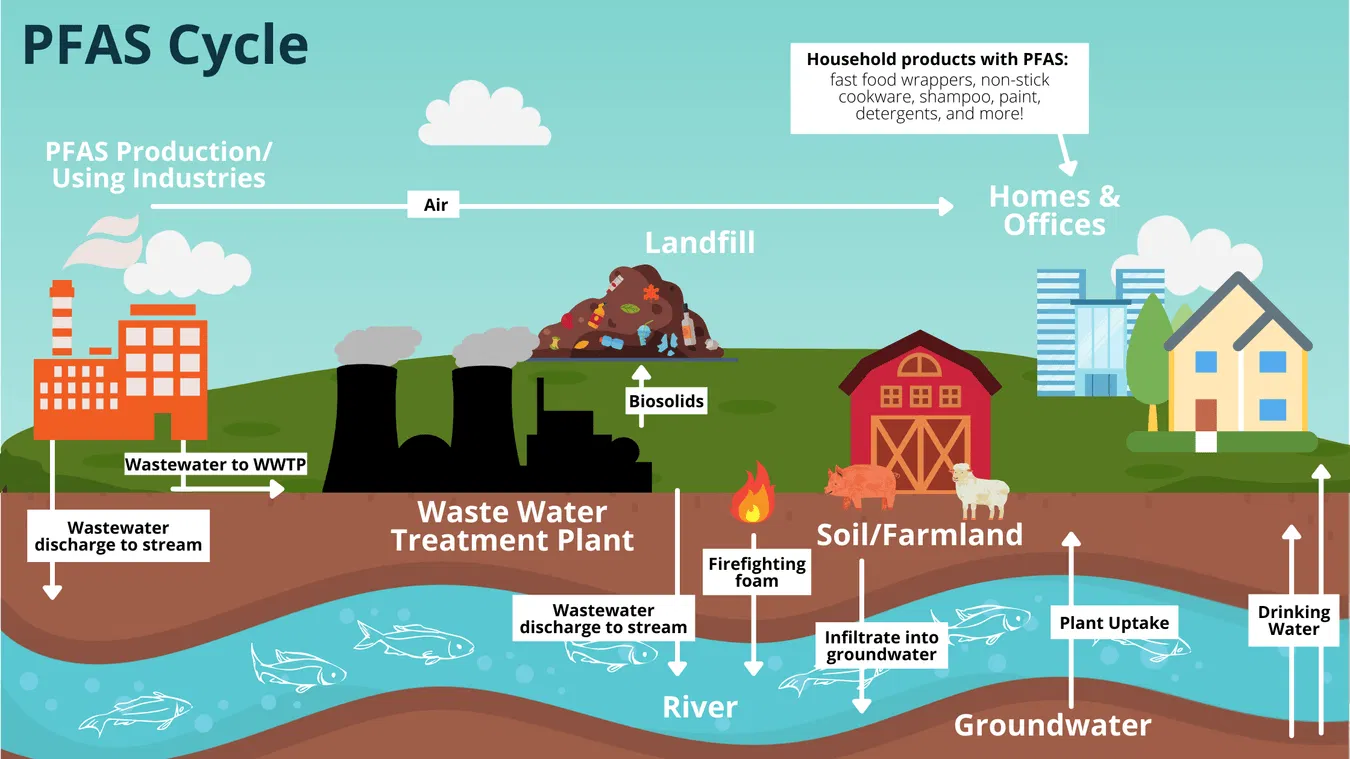
The PFAS Problem: "Forever Chemicals" in Your Plumbing
As we become more aware of environmental toxins, PFAS (per- and polyfluoroalkyl substances) have emerged as a top concern. Often called "forever chemicals" because they do not break down in the environment or the human body, PFAS are linked to various health issues, including endocrine disruption and immune system suppression.
A landmark 2023 University of Florida study sent shockwaves through the industry when it found PFAS in 21 global brands of toilet paper. These chemicals are often used during the manufacturing process as lubricants or to improve the strength of the paper when wet. Because the skin in our nether regions is highly permeable, using paper laced with PFAS is a direct route for these toxins to enter your system.
The Chlorine Conundrum and Dioxins
The bright white color of standard toilet paper isn't a sign of cleanliness: it’s a sign of intense chemical bleaching. Historically, the industry used elemental chlorine gas, which produces dioxins as a byproduct. The World Health Organization (WHO) classifies dioxins as "highly toxic" and part of the "dirty dozen" group of dangerous chemicals. Dioxins are known to cause reproductive and developmental problems and damage the immune system.
At Sustainable Consumables, we believe in a better way. Our bamboo products are Elemental Chlorine Free (ECF). This is a critical distinction. ECF bleaching uses chlorine dioxide instead of elemental chlorine gas. This industry-standard sustainable method significantly reduces the creation of toxic dioxins, ensuring that the finished product is safer for you and the planet. We don't just aim for "white": we aim for safe.
The Recycled Paper Trap: BPAs
Many people looking for an eco-friendly option turn to recycled toilet paper. While the intent is good, the reality is more complex. Recycled paper products are often found to contain BPA (bisphenol A), a known endocrine disruptor.
When you choose recycled paper, you are getting a mix of whatever was in the original paper waste. This often includes chemicals that were never intended to come into contact with human skin. This is why organizations like Mamavation frequently recommend high-quality bamboo toilet paper over recycled alternatives for those looking to minimize chemical exposure.

The Solution: Why Bamboo is Naturally Superior
If you want to eliminate toxins, you have to look at the source material. Trees require massive amounts of energy, water, and chemicals to be broken down into soft pulp. Bamboo, on the other hand, is a rapidly renewable resource that is naturally better suited for your health.
We Didn’t "Remove" the Chemicals: We Never Used Them
The most important thing to understand about our Bamboo Toilet Paper is that we didn’t have to go through a complex "detox" process to remove PFAs or BPAs. We simply never used them in the first place.
Because bamboo fibers are naturally strong and soft, they require far less mechanical and chemical intervention to become a premium bathroom tissue. Our process is focused on purity:
- No PFAs: Our manufacturing chain is strictly controlled to ensure no "forever chemicals" are introduced.
- BPA-Free: By using virgin bamboo pulp instead of recycled waste, we guarantee a BPA-free experience.
- ECF Whitening: We use a water-based whitening process that relies on chlorine dioxide, eliminating the risk of toxic dioxins associated with traditional bleaching.
What Touches You Matters: A Health-First Approach
Think about your daily routine. You likely use toilet paper multiple times a day, every single day of your life. It is perhaps the most intimate product you buy. If you’ve invested in organic cotton sheets and non-toxic laundry detergent, switching your toilet paper is the logical next step.
Standard paper is often treated with:
- Scents and Fragrances: These are frequently "trade secret" chemical blends that can cause irritation.
- Dyes: Used for aesthetic patterns but unnecessary for function and potentially irritating.
- Formaldehyde: Sometimes used to improve wet strength in low-quality rolls.
Our bulk bamboo options are designed for those who refuse to compromise. We provide a toxic-free paper that is soft on your body and the environment.
The Environmental Edge
Beyond your personal health, the switch to bamboo is a massive win for the planet. Traditional toilet paper is responsible for the loss of thousands of acres of old-growth forests every day. Bamboo grows 30x faster than trees and requires 90% less water to produce than standard tree-based paper.
When you choose Sustainable Consumables, you aren't just protecting your family from endocrine disruptors; you are protecting the global ecosystem from deforestation.

How to Make the Switch
Transitioning to a healthier bathroom doesn't have to be overwhelming. Here is a quick checklist to get you started:
- Audit your current brands: Check if they have been cited in recent PFAS studies or if they use elemental chlorine bleaching.
- Avoid the "Scented" trap: If a roll smells like a meadow, it’s probably covered in synthetic fragrances.
- Prioritize Bamboo: Look for 100% bamboo content to ensure you are getting the cleanest fiber available.
- Buy in Bulk: Sustainable living is more affordable when you buy for the long term. Our 80-roll boxes ensure you never have to settle for a toxic "emergency" roll from the corner store.
Final Thoughts: The Final Frontier of Clean Living
You’ve cleaned up your diet, your gym bag, and your kitchen. Don't let your bathroom be the one place where toxins still reside. The evidence is clear: conventional paper products carry hidden risks that simply aren't necessary in the modern world.
By choosing bamboo toilet paper, you are opting for a product that is naturally cleaner, softer, and processed with your safety in mind. At Sustainable Consumables, we are proud to offer a solution where you don't have to choose between environmental responsibility and personal health.
Remember: What touches you matters. Take the next step in your wellness journey today.
#WhatTouchesYouMatters #ZeroToxinTP #BambooToiletPaper #EcoConscious #SustainableLiving #NonToxicHome #CleanLiving #NaturalHome